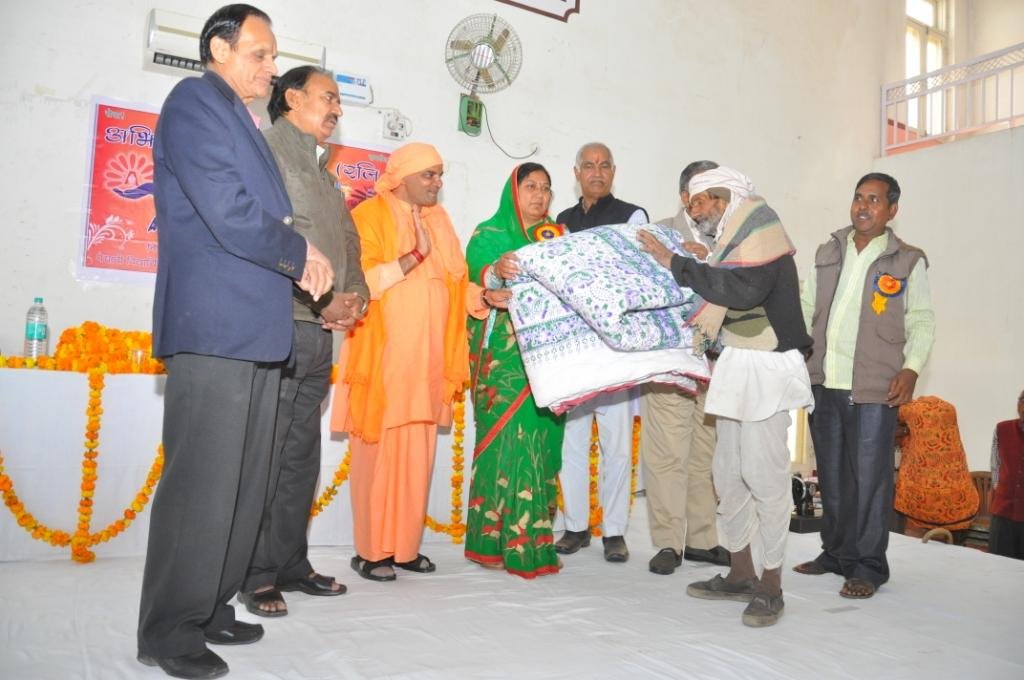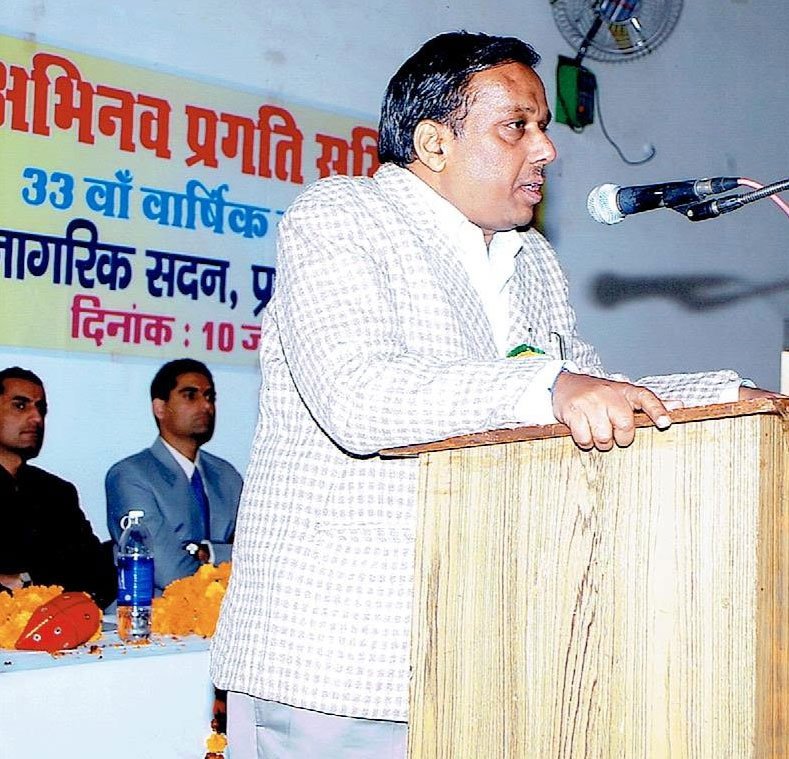
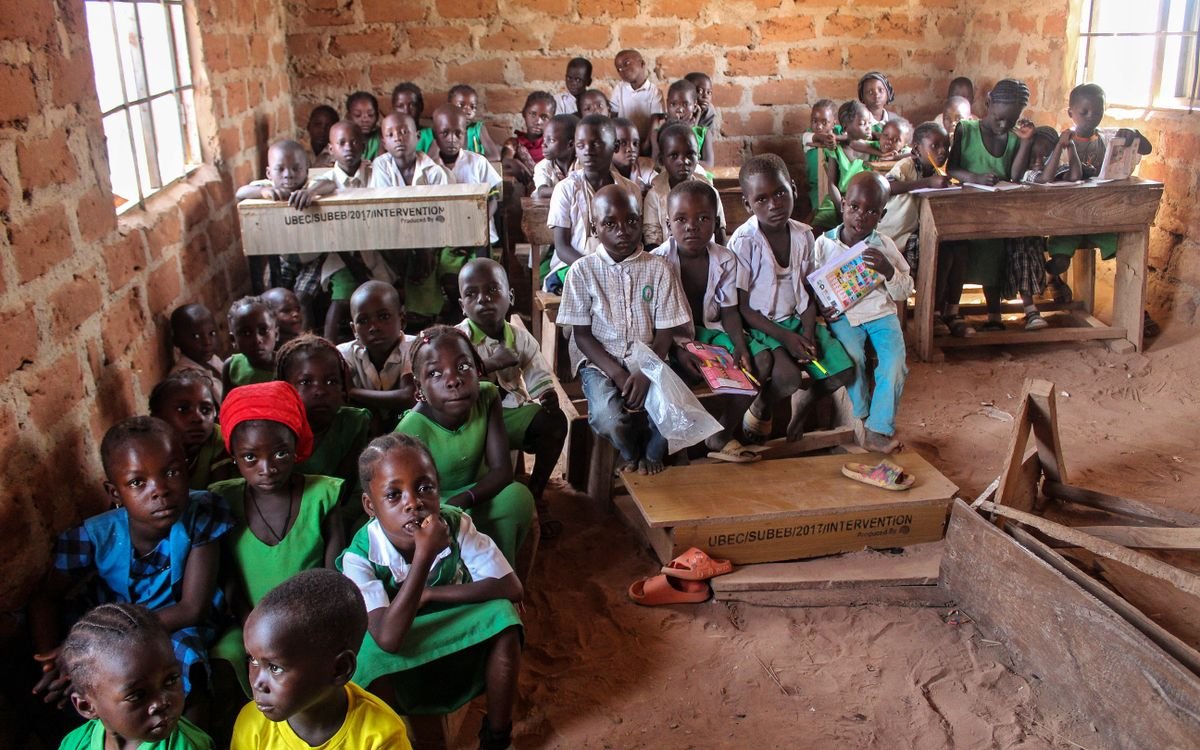
For over a decade, Shri Sitram Jindal Foundation, New Delhi, has been one of the most steadfast supporters of Abhinav Pragati Samiti's educational initiatives. Their consistent CSR funding has put books in hands, uniforms on backs, and kept children in school who would otherwise have dropped out for financial reasons.
This is the story of what that partnership has built.
How the partnership began
The Samiti's relationship with the Jindal Foundation began in 2013, when we submitted a proposal for supporting rural education in the Bagar block. The proposal was modest — a request for ₹2 lakh to fund school supplies, uniforms, and scholarship stipends for 50 children from economically disadvantaged families.
The Foundation not only approved the proposal but expanded it, suggesting we scale the programme to cover more villages. That first year, we supported 80 children. Today, the programme supports over 200 children annually.
What the funding covers
The Jindal Foundation's support is directed towards three key areas:
- School supplies and uniforms: Every child in the programme receives a complete set of textbooks, notebooks, stationery, and two school uniforms at the start of the academic year. For families struggling to afford daily meals, this removes a significant barrier to keeping children in school.
- Scholarship stipends: Meritorious students from Class 8 onwards receive a monthly stipend of ₹500, which helps cover transport, additional study materials, and sometimes contributes to family income that the child's schooling might otherwise reduce.
- Higher education support: Students who clear Class 12 and wish to pursue college or vocational training receive enhanced support — up to ₹15,000 per year towards tuition fees. Several of our scholarship recipients are now the first in their families to attend college.
Beyond the numbers — a student's story
Priya Rungta (name changed for privacy) was in Class 6 when her father, a daily wage labourer, suffered a workplace injury that left him unable to work for eight months. The family's income collapsed, and Priya's schooling was on the verge of ending. Her mother, who had never been to school herself, was devastated.
Priya was enrolled in our scholarship programme that year. The stipend and school supplies kept her in school. She went on to complete Class 12 with distinction, and is now in her second year of a B.Sc. at a college in Jhunjhunu — supported by our higher education fund.
My mother cries when she talks about it. She says she never imagined her daughter would go to college. I want to become a teacher and come back to teach in Bagar. — Priya Rungta, scholarship recipient since 2019
The ripple effect
What the Jindal Foundation's support has created is not just 1,400 individual beneficiaries — it is a shift in the culture of education in the villages we serve. When parents see their neighbours' children going to school with proper books and uniforms, when they see scholarship recipients going to college, the aspiration shifts. Education becomes a possibility, not just a dream.
The dropout rate in the villages where we operate has fallen significantly. More girls are staying in school beyond Class 8 — a critical threshold in rural Rajasthan where early marriage has historically cut short girls' education.
Looking forward
We are in discussions with the Jindal Foundation to expand the programme to include a digital literacy component — basic computer training for rural students who have never used a computer. In today's economy, digital literacy is no longer optional, and the gap between rural and urban students in this regard is stark.
If your organisation or trust would like to partner with us on education, health care, or women empowerment programmes, please read about our CSR partnership options or contact us directly.